
Greece mixes white island villages, clear blue bays and old ruins that still stand on quiet hills. Greece tours help every traveler see all of it without hard planning. Couples, families, friends traveling together and solo visitors each find a fit, whether they want beaches or temples and legends.
This guide covers the Cyclades, Athens, Crete with other islands, and the ancient mainland. Each part shows what to see, which kinds of trips people choose and what comes with them, from guides to swim stops. The writers at My Greece Tours keep the advice plain, so first-time visitors can plan with calm.
Which Greece Tours In The Cyclades Do Travelers Remember?
Travelers remember Greece tours in the Cyclades that pair sunset views from a cliff village with a boat day. Swim stops in clear coves and a slow seaside lunch make those days stick. Pages on Greece tours and Tours In Greece show how island days fit together, since each island adds its own flavour.
Which sights make the Cyclades special?
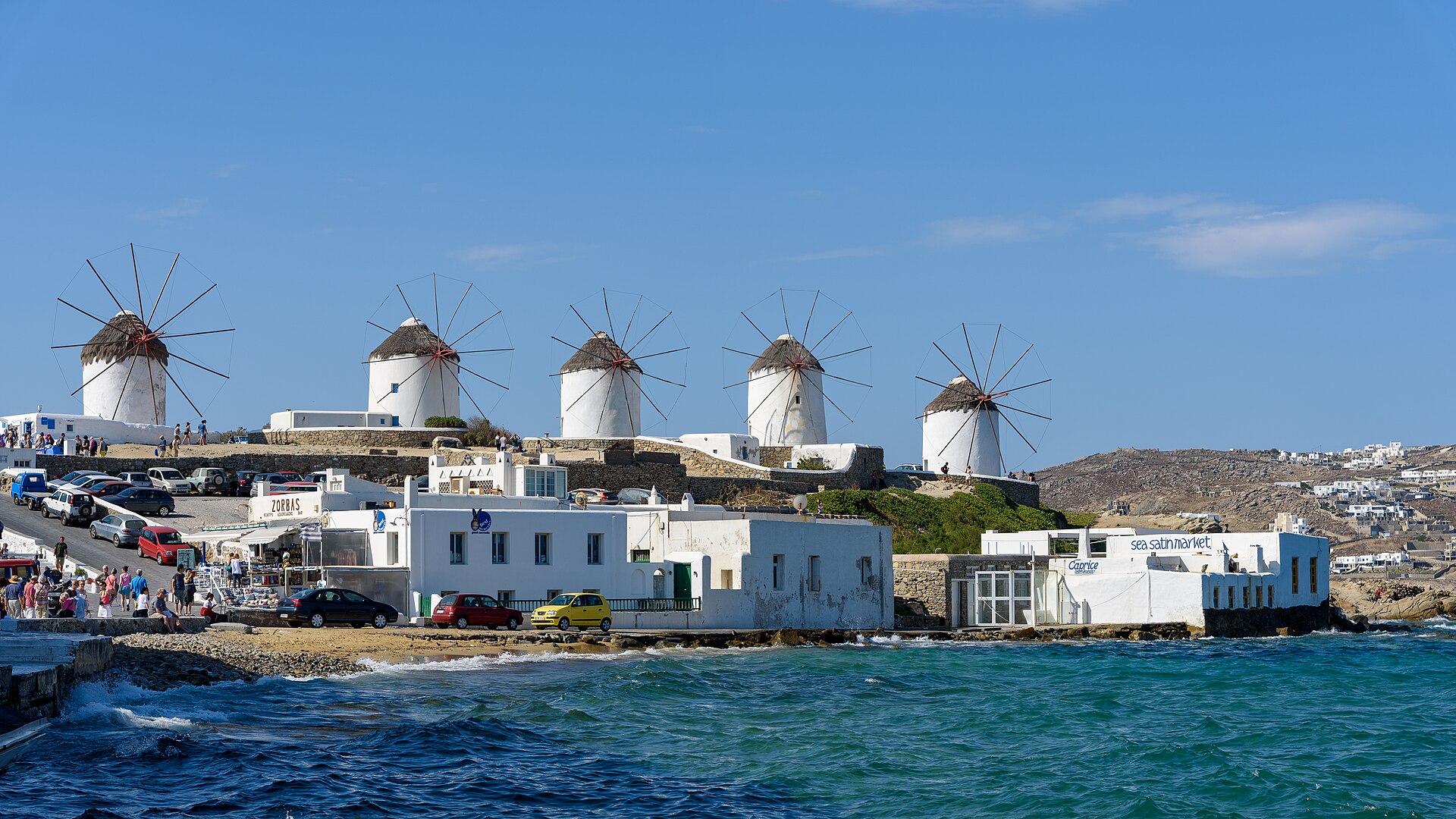
On Santorini, white villages cling to a tall cliff above a sunken volcano. Blue domes and narrow lanes make every walk feel like a picture book. On Mykonos, old windmills stand on a breezy ridge above the sea. They once ground grain, and now they frame the island’s most loved sunset view.
A short boat ride from Mykonos leads to Delos, an island sanctuary, which means a holy place for the ancient Greeks. Legend says the god Apollo was born there, and broken columns and stone lions now fill the quiet island. On Milos, boats slip into sea caves where pirates once hid from passing ships.
Naxos has an old town of whitewashed alleys climbing to a hilltop castle. A huge marble doorway from an unfinished temple stands by the harbour and glows at sunset. On Paros, the fishing harbour of Naoussa mixes bright boats, small tavernas and a ruined castle by the water. It feels calm and friendly after dark.
Which Greece tours make the Cyclades easy?
Private tours with a driver-guide or a skipper suit couples and families who like their own pace. One price covers the whole car or boat, so the cost feels fair when shared. Boat cruises with swim stops suit almost everyone, from friends on holiday to solo visitors who want easy company.
For travelers short on time, full-day trips from Athens by coach reach the port for an island day and return by night. They suit first-time visitors based in the capital. Snorkel and beginner scuba trips suit curious swimmers, including teens, since instructors explain each step on dry land first.
Cooking classes and wine tastings suit food lovers and couples. Guests learn simple island dishes, then taste local wines grown in volcanic soil. These Greece tours show a slower, warmer side of the islands, far from the busy ports.
What comes with Greece tours in the Cyclades?
Most boat days include lunch or a BBQ meal cooked on board, often with fresh fish, salad and bread. Drinks come too, sometimes unlimited, which matters on hot days because guests stay cool and fed without hunting for a shop.
A licensed or local guide brings the ruins of Delos to life and points out hidden coves. Snorkel gear is handed out on board, so nobody needs to pack masks. Swim stops let everyone cool off in water so clear that the seabed shows.
Free time to explore matters just as much, giving couples a quiet coffee break and families some shade or ice cream. Wine tastings at island wineries add a calm close to the day, with views over low, wind-bent vines. Slow moments like these often become the best memories.
How do you avoid stress in the Cyclades?
Book boat days and sunset spots early in the trip, since the best seats fill fast in summer. Start sightseeing in the morning, when lanes are cooler and quieter and the light is soft. Leave a spare day near the end, since strong winds can keep ferries and boats in port.
Pack a hat, strong sun cream, a refillable water bottle and light shoes with good grip for steep steps. A warm jacket helps on windy decks. Bring a dry bag for phones, plus seasickness tablets if the sea upsets you. Small comforts like these keep everyone smiling from start to finish.
Which Greece Tours In The Capital Give Good Value?
The best value Greece tours in the capital pair the Acropolis with the old lanes below it. A sunset drive to Cape Sounion adds the sea. Good guides turn broken stone into clear stories, so visitors leave knowing what they saw and why it matters.
Which sights make the capital special?
The Acropolis is a rocky hill above Athens, and its name means high city. On top stands the Parthenon, a marble temple for the goddess Athena. On the southern slope, the Theatre of Dionysus, named for the god of wine, hosted the earliest Greek plays. Its stone seats still curve around the stage.
Just below the hill, the Acropolis Museum shows statues found on the rock in bright, airy halls. Glass floors reveal ruined homes under the building. A short walk away, the Roman Agora was the city’s market square under Roman rule. Its Tower of the Winds once worked as a clock and weather vane.
Hadrian’s Arch, a stone gate named after a Roman emperor, marks the edge of the old town. Close by, the National Garden offers shade, ponds and calm paths. Psyrri, an old quarter, hums with street art and tavernas. Cape Sounion ends the day with a temple to the sea god above the waves.
Which Greece tours make the capital easy?
Guided walking tours are the easiest start for first-time visitors and solo travelers. A guide leads the way up the Acropolis and through the old lanes, so nobody gets lost or misses a story. Questions are welcome, and the pace suits most ages.
Private tours with a driver-guide suit families with young children and couples who want comfort. Pricing is per car rather than per head, so a full car shares one bill. The same style works on the water, where a skipper sails a private boat along the coast.
Boat cruises with swim stops along the Athens coast suit friends and anyone craving a beach break from the ruins. Cooking classes and wine tastings suit food lovers. Food-focused Greece tours like these teach classic dishes and pair them with wines from nearby hills.
What comes with Greece tours in the capital?
At the Acropolis, only licensed guides may lead tours inside the site, and their training makes a real difference. They explain myths, building tricks and daily life in simple words, which keeps teens and adults listening. In Psyrri, a local guide knows the hidden corners.
Boat cruises from the coast usually include lunch or a BBQ meal served on deck. Drinks are included as well, and on some trips they flow without limit. Swim stops break up the day and give tired legs a rest after long walks in the city.
Wine tastings bring the day to a gentle end. Guests sample local wines and learn how Greek grapes differ from familiar ones, in a mood that feels relaxed rather than formal. For many visitors, it becomes a highlight of Greece tours in the city.
How do you avoid stress in the capital?
Visit the Acropolis at opening time or late in the afternoon, when the heat eases and lines shrink. Book tours ahead in busy months, and plan the hill and the museum on the same morning. Our budget travel tips for Athens show how to save on transport, food and sightseeing.
The marble on the Acropolis is smooth and slippery, so wear shoes with good grip. Carry water, a hat and sunglasses, since there is little shade on top, and a small bag speeds up security checks. Rest in the National Garden at midday, then save Psyrri for the cooler evening.
Why Book Greece Tours In Crete And Beyond?
Book Greece tours in Crete and beyond because these big islands hide palaces, lagoons and walled towns far apart. A guide or boat links them with ease. Without a plan, travelers lose time on winding roads, but with one, every day feels full and calm.
Which sights make Crete and beyond special?
On Crete, Knossos was the palace of the Minoans, an early seafaring people from long before Athens grew strong. Legend says the maze of the Minotaur, a bull-headed monster, lay here. In the west, Chania’s old harbour curves around a lighthouse left by rulers from Venice and shines with lamps at night.
Balos and Elafonisi are lagoons, shallow pools of sea water sheltered by sand. Balos glows turquoise below a wild cape, while Elafonisi has pale pink sand, and both feel like warm baths for children. On Rhodes, the Old Town hides cobbled lanes inside thick walls built by knights in the Middle Ages.
Lindos, also on Rhodes, stacks white houses below a hilltop fortress with sea views. Corfu old town mixes Italian-style lanes, old forts and cafés under stone arches. On Zakynthos, Navagio beach hides a rusty shipwreck inside a cove of white cliffs. It is best seen from the water or the cliff above.
Which Greece tours make Crete and beyond easy?
Private tours with a driver-guide make sense on Crete, where roads twist through mountains. Families and couples ride in comfort, and the fare covers the whole car. On the water, a private skipper takes friends to Balos or Navagio at their own pace and waits while they swim.
Boat cruises with swim stops suit nearly everyone, especially solo travelers who enjoy easy company. Guided walking tours suit history fans in Chania, Rhodes and Corfu. Entry tickets suit travelers who want to explore Knossos or Lindos alone, at their own speed.
Full-day trips from Athens by coach serve visitors who start or end their holiday in the capital. Cooking classes and wine tastings suit food lovers. On Crete, such Greece tours often take place in village kitchens and family vineyards, and guests leave with recipes to try.
What comes with Greece tours in Crete and beyond?
Boat days to Balos or Navagio often come with lunch or a BBQ meal and plenty of drinks. On some cruises the drinks are unlimited, which helps on long, sunny days. Swim stops in turquoise water are the highlight, and children love jumping from the deck.
At Knossos, a licensed guide turns low walls and painted rooms into a living story. Entry tickets are often included, so travelers skip the ticket line and walk straight in. In Rhodes and Corfu, a local guide knows the quiet lanes and the best views.
Wine tastings on Crete add something special, as guests try local wines and learn how village families have grown grapes for ages. Hosts share stories about the grape harvest, turning a simple drink into a warm local welcome.
How do you avoid stress in Crete and beyond?
Crete is bigger than many people expect, so split the stay between east and west. Leave early for Balos and Elafonisi to beat the crowds, and book Navagio boats ahead in high summer. On Rhodes and Corfu, explore old towns in the morning and save the beach for later.
Bring water shoes for rocky beaches and a hat with a strap for windy boats. Sun cream, sunglasses and a light cover-up protect skin on long boat days. Carry cash for village cafés, plus a thin layer for cool evenings by the harbour. Mountain roads twist, so pack motion pills if needed.
How Do Greece Tours In Ancient Greece Work?
Greece tours in ancient Greece work by pairing a skilled guide with the right route. Travelers ride from site to site while the guide explains each ruin in simple words. Some trips last a day, while others add hotel nights, and either way the hard planning is already done.
Which sights make ancient Greece special?
Delphi sits high on a mountain slope, and the ancient Greeks called it the centre of the world. Here, the Oracle, a priestess who gave advice said to come from the god Apollo, answered kings and farmers alike. Its museum keeps the famous bronze Charioteer, a statue of a chariot driver.
At Meteora, monasteries, or homes for monks, perch on tall rock pillars, and monks once rose up in baskets pulled by ropes. In legend, Mycenae was the home of King Agamemnon, leader of the Greeks at Troy. Its royal tombs are huge stone domes, and the Lion Gate still guards the entrance.
The great theatre of Epidaurus is famous for its sound, since a whisper on the stage carries to the top row. Nearby Nafplio, once capital of modern Greece, has pastel lanes and a castle above the sea. Olympia holds the stadium of the ancient Olympic Games, and the Corinth Canal slices through solid rock.
Which Greece tours make ancient Greece easy?
Full-day trips from Athens by coach are the simplest choice for first-time visitors. Delphi, Mycenae with Epidaurus, and the Corinth Canal all work as day trips. Shared tours in a minivan with only a few other guests suit solo travelers and couples who want a friendlier feel.
Multi-day tours with hotel nights suit families and anyone who dislikes rushing. They link Delphi, Meteora and Olympia without long drives back to Athens each night. Mainland Greece tours of this kind also leave space for slow evenings in mountain towns.
Guided walking tours suit curious minds who want every stone explained. Entry tickets suit independent travelers who like to wander at their own pace, maybe with a guidebook in hand. Many history fans mix both styles on one trip and enjoy the best of each.
What comes with Greece tours in ancient Greece?
A licensed guide matters most at ancient sites, because so much has fallen down. The guide paints the missing temples with words and shares myths that make children laugh. A local guide in Delphi or Olympia also knows the quietest paths and the best spots for photos.
Entry tickets come with many trips, so travelers skip busy gates, follow the guide inside and start exploring. It also removes the worry of finding the right ticket office, leaving more energy for the ruins themselves.
On multi-day trips, hotel nights are part of the plan. Guests sleep near the sights, such as in the village below Meteora or in Nafplio, so mornings start fresh. On these Greece tours, nobody has to search for rooms or carry bags far each evening.
How do you avoid stress in ancient Greece?
Ancient sites have little shade, so arrive at opening time or late in the day. Summer middays can feel like an oven among the stones. Plan a single major site per day on your own, and let multi-day tours handle the longer drives. Rest in a shaded café between visits.
Wear sturdy shoes, since paths are rocky and uneven. Bring a hat, sun cream and plenty of water, plus a light snack for the coach. At Meteora, cover shoulders and knees to enter the monasteries, which a scarf or long skirt solves in a moment. Delphi’s steep path also rewards a slow pace.
Conclusion: Top Greece Tours For A Memorable Holiday, Planned Well
Greece rewards every traveler who plans with care. The Cyclades bring white villages and boat days, while Athens brings the Acropolis and lively lanes. The big islands add lagoons and walled towns, and the mainland adds oracles and monasteries. The right Greece tours tie these places together with little effort and plenty of joy.
Start by choosing the sights that matter most, then pick the tour style that suits your pace. Couples may prefer private Greece tours, while families value a guide and swim stops. For more ideas, explore these authentic private tours in Greece and plan a holiday that stays with you for years.
Frequently Asked Questions About Top Greece Tours For A Memorable Holiday
How do you pick the right Greece tours?
Start with what you love most, whether beaches, ruins, food or calm villages. Then match the style to your pace, from shared coach days to private trips with a driver-guide. Read what is included, such as meals, guides or entry tickets, before you book any Greece tours.
Do Greece tours include a guide?
Most Greece tours include a licensed or local guide, especially at ancient sites like Delphi and the Acropolis. Boat cruises usually have a friendly crew who share local tips. Entry tickets alone do not include a guide, so they suit travelers who like to explore on their own.
Can Greece tours be private?
Yes, many trips can be private, with a driver-guide on land or a skipper at sea. The price is usually set for the whole party, so sharing it with family or friends feels fair. Private Greece tours also let couples and families set their own pace and change plans freely.
Can Greece tours mix islands and ancient sites?
Yes, and this mix often makes the best holiday. Many travelers spend a few days in Athens and on the mainland, then take a ferry to the Cyclades or Crete. Multi-day Greece tours with hotel nights can cover the mainland, while boat cruises add the island side.
Which month suits Greece tours best?
June and September suit Greece tours best for most travelers, with warm seas and lighter crowds than high summer. May and October feel mild and fresh for ruins, walking tours and quiet island days. July and August suit beach lovers who start early and rest at midday.
Are Greece tours good for couples?
Yes, Greece tours suit couples very well, from slow island days to calm mainland escapes. Sunset walks in Santorini, private boat days and wine tastings feel romantic without much planning. Cooking classes and quiet evenings in Nafplio or Chania add shared memories that last long after the trip ends.
How do you budget for Greece tours?
Budget for Greece tours by listing the fixed costs first, such as transportation, entry tickets and guide fees. Then add meals, tips and a small reserve for unexpected extras. A clear list stops small costs from slowly piling up over the trip.
What makes Greece tours cost more or less?
The season makes the biggest difference. Summer brings crowded ferries, busy hotels and higher rates, while spring and autumn feel calmer and more affordable. These shoulder months also bring softer heat, which suits long days at old sites.
Private Greece tours cost more than shared ones, because one guide and one vehicle serve a single party. Full-day excursions with lunch cost more than short morning walks. Island trips by boat usually cost more than mainland trips by coach, since fuel and sea time add up.
Travelers who use public transportation can connect many sights for less. Several day trip ideas from Athens work well by train or bus, with a guide hired only at the main attraction. That mix keeps Greece tours rich in detail without stretching the budget.
How can travelers save on Greece tours?
Before booking, it helps to write every cost down in one place. A simple budget for Greece tours covers these parts:
- Transportation between cities, ports and islands
- Entry tickets for monuments and museums
- Guide fees for shared or private tours
- Meals, snacks and plenty of bottled water
- Tips for guides, drivers and boat crews
Booking a few key tours and leaving the other days free is one smart approach. A guided morning at a major site provides depth, while the afternoon stays open for cheap walks, swims or taverna meals. Free days cost far less than packed ones.
Accommodation also shapes the total. Small family-run guesthouses and eco-friendly places to stay are often cheaper than large resorts. Many are located close to village squares, so guests can walk to dinner instead of paying for taxis.
Slower travel saves money too. Fewer hotel changes mean fewer transfers, fewer taxi rides and less time wasted in transit. Travelers who want to explore Greece responsibly find that slow trips also leave a lighter mark on the places they love.
How early should you book Greece tours?
Book popular Greece tours several months ahead for summer travel and a few weeks ahead for spring or autumn. Boat trips, sunset cruises and private guides need the earliest reservations. Quiet winter visits require less notice, although early booking still offers a wider choice of times.
Which Greece tours sell out first?
Tours with few seats fill up fastest. Small boat excursions, cooking classes in village homes and sunset sailing trips have only so much space. Private guides at the Acropolis and at Delphi also become fully booked early in the busiest months.
Island trips sell out quickly in high summer, when ferries run full. Reading about island tours from Athens reveals which routes need early planning. It also explains which islands work as easy day trips and which deserve an overnight stay.
Ferry tickets shape the whole plan, so they come first. A guide on how to travel between the Greek islands explains ferries, flights and smart routes. Once the boats are confirmed, Greece tours on each island fit into place with far less pressure.
When can Greece tours wait until the last minute?
Short city tours often have room until the day before. Independent travelers can book walking tours on foot once they check the weather forecast and their energy levels. Old town walks in places like Nafplio and Chania suit this flexible style.
Mainland day trips by coach also have more space outside the summer season. Still, booking a few days ahead removes worry and secures a comfortable seat. Last-minute Greece tours suit spontaneous travelers, while families with young children benefit from fixed schedules and a clear plan.
Weather can also change the program. Strong summer winds sometimes cancel small boat trips, so an empty day near the end of the holiday is useful. If a tour moves, travelers can still enjoy it before flying home.
How do couples pick Greece tours?
Couples pick Greece tours by matching the pace and atmosphere to what they both enjoy. Options range from sunset sailing and wine tastings to hiking trails, ancient ruins and slow village lunches. Discussing preferences before booking avoids long days that suit only one partner.
Which Greece tours feel special for two?
Sunset boat trips around Santorini or Milos are a classic choice for couples. Wine tastings on volcanic soil, cooking classes and peaceful beach stops also feel personal and romantic. These Greece tours move slowly, with time to talk, swim and admire the scenery.
Couples who prefer quiet places can look for hidden gems beyond the tourist trails. Small islands, mountain villages and deserted coves feel calmer than the most popular towns. They also bring more chances to chat with locals at a café or family taverna.
Other couples prefer the open road. Renting a car for a few days and following scenic drives on the mainland provides freedom between guided stops. A coastal route in the Peloponnese, for example, connects beaches, castles and ancient theaters at a relaxed pace.
How do couples balance active and quiet Greece tours?
A simple rule works well here: one active tour, then one gentle one. A morning hike can lead into a long lunch, and a busy sightseeing day can finish on a quiet beach. This rhythm keeps both partners happy throughout the week.
Nature lovers can add a day in one of the best Greek nature reserves, such as wetlands, gorges or forest parks. Birdwatching, easy trails and lake boat rides suit couples who want fresh air away from the crowds. These Greece tours feel restful even when the walking is long.
Couples who enjoy rail travel can also try scenic train rides in Greece. The relaxed pace leaves time to watch mountains and valleys pass by the window. A train journey pairs nicely with Greece tours that focus on food, wine or traditional village life.
How do you manage tickets for Greece tours?
Manage tickets for Greece tours by keeping every booking, entry ticket and ferry pass together on one phone. Paper copies or screenshots provide a reliable backup. Many sites now scan e-tickets at the gate, so a flat battery should never stop a planned visit.
Which tickets come with Greece tours?
Many guided Greece tours include entry tickets, but some do not. The booking description should state clearly whether admission is part of the package. If not, travelers purchase their own tickets and meet the guide at the entrance.
Inside Greek archaeological sites and museums, only state-licensed guides may lead tours. This rule protects both visitors and sites, so checking for a proper guide is worth the effort. Good guides explain words like agora, which means the old market square where people met to trade and talk.
Combined tickets sometimes cover several monuments in one city, such as the main ruins of Athens. Travelers should check what each ticket includes before paying twice. A quick look at the official website saves money and time at busy entrances.
How do travelers keep Greece tours on track on the day?
Arriving early at the meeting point prevents unnecessary stress. Guides usually start on time, and boats leave the harbor whether everyone has boarded or not. A saved map pin, a phone number and the booking code help travelers find the right spot.
Some destinations also have their own rules. Travelers heading to Meteora should read the rules for visiting Greek monasteries before the trip. Shoulders and knees must be covered, and visitors are expected to speak quietly inside the chapels.
At the end of each day, a quick review of the next booking helps enormously. Travelers can confirm the pickup time, charge their phones and pack water, hats and sunscreen. Well-planned Greece tours then run smoothly from the first morning to the final evening.
Which Greece tours start in central Athens?
Many Greece tours start in central Athens, near Syntagma Square, Plaka or the Acropolis metro station. Day trips use hotel pickups or central meeting spots, while city walks begin on foot. This makes the capital the easiest starting point for first-time visitors.
Which Greece tours explore Athens on foot?
Walking tours of the old city often start at the foot of the Acropolis or in Monastiraki Square. Guides then lead visitors down to the Ancient Agora, the old market square where citizens met to trade and debate. Evening walks through Plaka show the city at its most relaxed.
Travelers who want a calmer visit can learn how to avoid crowds at the Acropolis with an early start. It also helps to read about buying Acropolis tickets in advance, since queues at the gate grow long in summer. Morning Greece tours on the hill feel cooler and quieter.
Food tours also begin in the center, often near the busy central market. Guides lead guests past spice shops, bakeries and small family cafés, explaining what locals eat and when. These Greece tours suit families and friends who like to learn through tasting.
Which day trips leave from central Athens?
Day trips to Delphi, Cape Sounion and the Peloponnese often collect travelers from central hotels. Ancient Greeks traveled to Delphi to consult the oracle, a priestess believed to pass on advice from the gods. Sounion, by contrast, offers a marble temple above the sea at sunset.
Boat cruises to the nearby Saronic islands, such as Hydra, Poros and Aegina, also leave from the Athens coast. Coaches usually carry travelers from the center to the port. Those who want more flexibility can compare private tours in Greece with door-to-door transport and a personal guide.
Some travelers prefer a fixed plan for longer journeys. Escorted tours with a set itinerary start in Athens and run for several days around the mainland. Hotels, transport and guided visits are arranged in advance, which suits visitors who want less planning.
Longer day trips from the center reach Mycenae, Epidaurus and Nafplio in the Peloponnese. In Greek legend, Mycenae was the fortress city of King Agamemnon, and Epidaurus holds an ancient theater famous for its sound. These full days return to Athens in the evening.
Which Greece tours start on the islands?
On the islands, Greece tours start at harbors, squares or hotel pickups in Santorini, Mykonos, Crete, Rhodes and Corfu. Most focus on boat trips, beaches, villages and local food. Each island has its own character, so the best choice depends on what the traveler enjoys.
Which Greece tours start in the Cyclades?
In Santorini, boat tours sail around the caldera, the giant crater left by an ancient volcano. Many stop at warm springs and at the dark volcanic islet in the middle. Wine tours and village walks start from Fira or Oia.
From Mykonos, boat trips cross to Delos, a tiny island that was once a holy site and busy port. No one stays overnight there, so every visit returns the same day. Other Greece tours in the Cyclades start in Naxos, Paros and Milos, with sailing trips to hidden coves.
Island trips often mean small bags and quick boat changes. A guide to packing light for island tours helps travelers carry only what they need. Swimwear, a hat and sturdy sandals cover almost every island day.
Which Greece tours start on the large islands?
Crete is big enough for its own range of Greece tours. Trips from Heraklion visit Knossos, a huge palace built by the Minoans, who ruled Crete long before Athens grew powerful. From Chania, tours head to wild beaches, deep gorges and mountain villages.
Greece tours on Rhodes often begin at the gates of the old town, which knights built in the Middle Ages. Day trips also run to Lindos, with its hilltop ruins and white houses. In Corfu, tours start in the old town and explore green hills, quiet bays and Venetian forts.
Island traditions shape many Greece tours too. Visitors who learn about Greek holiday customs and traditions enjoy local festivals, church feasts and Easter events even more. Village celebrations often welcome visitors with music, dancing and shared food.
Which Greece tours start at a cruise port?
Cruise passengers find Greece tours waiting right at the port in Piraeus, Katakolo, Heraklion, Corfu, Rhodes and Santorini. These shore trips match the ship’s schedule and return guests before departure. Time in port is short, so every hour needs a clear plan.
Which Greece tours fit a short port stop?
From Piraeus, the main port of Athens, shore tours drive straight to the Acropolis and the city center. Most combine the hill, the Acropolis Museum and a short walk through Plaka. Some add a drive along the coast when time allows.
At Katakolo, tours take passengers to Olympia, birthplace of the ancient Olympic Games. Visitors walk through the old stone tunnel into the stadium where athletes once raced. In Corfu, the port lies close to the old town, so walking tours start within minutes.
In Santorini, ships anchor offshore and small tender boats carry passengers to the old port. From there, a cable car or a long path climbs up to Fira. Shore tours then continue to Oia, local wineries or volcanic beaches.
How do cruise travelers choose port Greece tours?
Timing matters more than anything on a port day. Tours built for cruise guests watch the clock and plan routes around traffic and queues. Reading a guide to choosing the right Greek tour helps travelers compare length, pace and what each trip includes.
Port areas get busy, so a little care goes a long way. A few simple safety tips, like guarding bags and agreeing on taxi fares first, keep the day relaxed. Travelers should also carry the ship’s contact details at all times.
Some cruise guests prefer to explore on their own. Port towns like Nafplio, Corfu and Rhodes are easy to see on foot, with a guide booked at the main sight. Following budget tips for Greece visitors keeps a long cruise affordable without missing the highlights.
Which Greece tours start near the airport?
Some Greece tours start near the airport, with pickups straight from arrivals or nearby hotels. Short trips to Cape Sounion, local wineries or coastal towns suit travelers with a long layover. Many island airports also sit close to the main towns, so tours begin soon after landing.
Which Greece tours fit a layover in Athens?
The Athens airport lies east of the city, in a wide plain known for its vineyards. Wine-focused Greece tours there visit family wineries and pour wines made from local grapes. Cape Sounion and the beaches of the Athens Riviera are also within reach on a long layover.
Layover tours need careful timing. Travelers should leave enough time for security checks, luggage and traffic on the way back. Private Greece tours from the airport include door-to-door transport, which removes the stress of finding taxis or buses.
A layover is a good moment to learn a few Greek phrases, before heading into town. Kalimera means good morning, and efharisto means thank you. Locals warm quickly to visitors who try, and even a short trip feels friendlier with a greeting.
How do travelers plan Greece tours after landing?
Many first-time visitors start with a transfer to their hotel, then join Greece tours the next morning. A rested start makes long site visits more enjoyable. Families with young children find this slower pace easier after a long flight.
On the islands, tours often collect guests from small airports or nearby hotels. In Crete, for example, travelers can land in Heraklion or Chania and join a beach or village trip later that day. Light bags make these quick starts much simpler.
Wherever they land, visitors feel more at ease when they know the basics of local cultural etiquette. Dressing modestly in churches, greeting shop owners and sharing dishes at dinner all make a good impression. These small habits help Greece tours start on the right foot.
Which places do Greece tours visit?
Greece tours visit sunny islands, ancient mainland sites and large islands with mountains and old towns. Popular stops include Mykonos, Athens, Delphi, Meteora, Crete and Corfu. Each place shows a different side of the country, from quiet beaches to marble temples.
Islands
The Cyclades islands sit in the middle of the Aegean Sea, with white houses, blue domes and windy beaches. Greece tours here mix boat trips, village walks, wine tastings and swimming stops in clear water. Ferries link most of these islands, so travelers can combine several in one trip.
- Mykonos, known for its windmills, Little Venice and lively beaches
- Naxos, famous for its marble temple gateway and mountain villages
- Paros, loved for the fishing harbor of Naoussa and sandy bays
- Milos, known for white moon-like rocks and colorful fishing houses
- Ios, popular for golden beaches, lively nights and a hilltop village
Mainland
The mainland holds many of the oldest and most important sites in the country. Greece tours here travel by coach, train or car, linking ruins, mountain towns and sea views. Licensed guides explain each place in plain words, from old myths and heroes to daily life in ancient times.
- Athens, home of the Acropolis, the Parthenon and lively old neighborhoods
- Delphi, the holy mountain site where ancient Greeks asked the oracle for advice
- Meteora, famous for monasteries perched on top of tall rock pillars
- Olympia, the birthplace of the ancient Olympic Games and its stadium
- Mycenae, a hilltop fortress city entered through the famous Lion Gate
Large islands
The large islands feel like small countries, with their own food, history and landscapes. Greece tours on these islands range from beach days to mountain drives and old town walks. Many visitors spend several nights on one large island instead of packing and moving every day.
- Crete, home of the Knossos palace, deep gorges and long beaches
- Rhodes, known for its walled old town built by knights and hilltop Lindos
- Corfu, loved for green hills, Venetian forts and an elegant old town
- Kefalonia, famous for Myrtos Beach, sea caves and an underground cave lake
How do you plan Greece tours over seven days?
Plan Greece tours over seven days with two days in Athens, two on mainland sites and three on the islands. This balance mixes history, scenery and beach time. Short ferry or flight links keep travel time between stops low.
Days one and two: Athens
Athens makes the best starting point because the main international airport is there. On the first morning, Greece tours climb the Acropolis to see the Parthenon, the temple built for the goddess Athena. The afternoon suits the Acropolis Museum, where statues from the hill are kept safe indoors.
The second day can cover the Ancient Agora, the old market square where citizens met to trade and talk about politics. Later, travelers can wander through Plaka and Monastiraki for shopping and food. A sunset drive to Cape Sounion ends the day beside a temple above the sea.
A ready-made seven-day plan for Athens, Santorini and Mykonos shows how these first days connect to the islands. It helps first-time visitors see the whole week at a glance. Families, couples and friends can then adjust the pace to suit their own energy.
Evenings in Athens are part of the fun too. Rooftop restaurants face the lit-up Acropolis, while small tavernas in Psirri serve grilled meat and fresh salads. Families with children enjoy the shady National Garden beside Syntagma Square, with its quiet paths and ponds.
Days three and four: mainland sites
The third day works well for Delphi, a long but scenic drive through olive groves and mountain villages. Ancient Greeks believed Delphi was the center of the world. Guides explain how visitors once climbed here to ask the oracle about wars, marriages and journeys.
On the fourth day, Greece tours continue north to Meteora or south to the Peloponnese. Meteora pairs well with Delphi, with a night spent in a village below the rocks. The Peloponnese route offers Mycenae, the theater of Epidaurus and the seaside town of Nafplio.
Travelers who prefer their own pace can follow a guide to self-guided itinerary planning and rent a car for these days. Driving gives freedom to stop at viewpoints, village bakeries and quiet beaches. A licensed guide can still be booked at each major site for deeper stories.
Some travelers swap Delphi for Olympia, where the ancient Olympic Games were held to honor Zeus. This route fits well with the Peloponnese and its long sandy beaches. Either way, these Greece tours show a side of the country that island-only trips miss.
Days five to seven: the islands
The last three days of the week belong to the islands. Ferries from Piraeus or Rafina reach the Cyclades, while short flights save time for travelers heading further. Santorini and Mykonos are the classic pair, but Naxos and Paros offer a calmer feel.
A guide to Greek island hopping explains how to link two islands without wasting a day. Fast ferries cover the main routes in summer, while slower boats cost less. Booking ferry seats early matters most in high season, when boats fill up fast.
On the islands, Greece tours focus on boat trips, beaches, wine tastings and village walks. A sunset in Oia, a swim at a quiet cove and a long seafood dinner make a fine finish. On the last evening, travelers return to Athens or fly home straight from the island.
Packing for this part of the week stays simple. Swimwear, sun cream, a light jacket for windy ferry decks and a reusable water bottle cover most needs. A relaxed final morning leaves room for one last swim before the journey home.
More questions about Greece tours
These quick answers cover the small details that shape Greece tours every day. They explain free time, shoes, hotel pickups, tipping, photo stops and language.
Can you add free time to Greece tours?
Yes, most Greece tours include free time, and private tours can add breaks for lunch, shopping or swimming. Multi-day trips often leave whole afternoons open for beaches or naps. Travelers should mention their wishes when booking so the guide can plan the day around them.
Which shoes suit Greece tours?
Comfortable walking shoes with good grip suit most Greece tours, because ancient sites have uneven stones and smooth, slippery marble paths. Sandals with straps work well for boat trips, beach days and island villages. Light socks and a spare pair help on long walking days in the heat.
Can friends join Greece tours from different hotels?
Yes, friends in different hotels can join the same Greece tours through a shared meeting point or several pickups. Many day trips already collect guests from several central hotels on the way out of town. Sharing hotel names and phone numbers at booking keeps the morning simple.
Is tipping expected on Greece tours?
Tipping is not required on Greece tours, but guides and drivers appreciate a small tip when travelers enjoyed the day. The amount is a personal choice and depends on the length and quality of the tour. Cash handed over at the end of the day is the usual way.
Do Greece tours stop for photos?
Yes, Greece tours stop for photos at famous viewpoints, like the Meteora rocks, Santorini cliffs and Sounion temple. Guides know the best angles and the quietest moments for clear shots. Some museums limit flash or photos in certain rooms, so it pays to check the signs.
Do Greece tours run in English?
Yes, English is the most common language on Greece tours, and licensed guides speak it well at major sites. Many guides also offer other languages, such as French, German or Spanish. Travelers can choose their preferred language when they book, especially for private tours.
See more in Servicetvs: